Bay Area Rental Listing Checklist: What to Fix Before You Find a Tenant
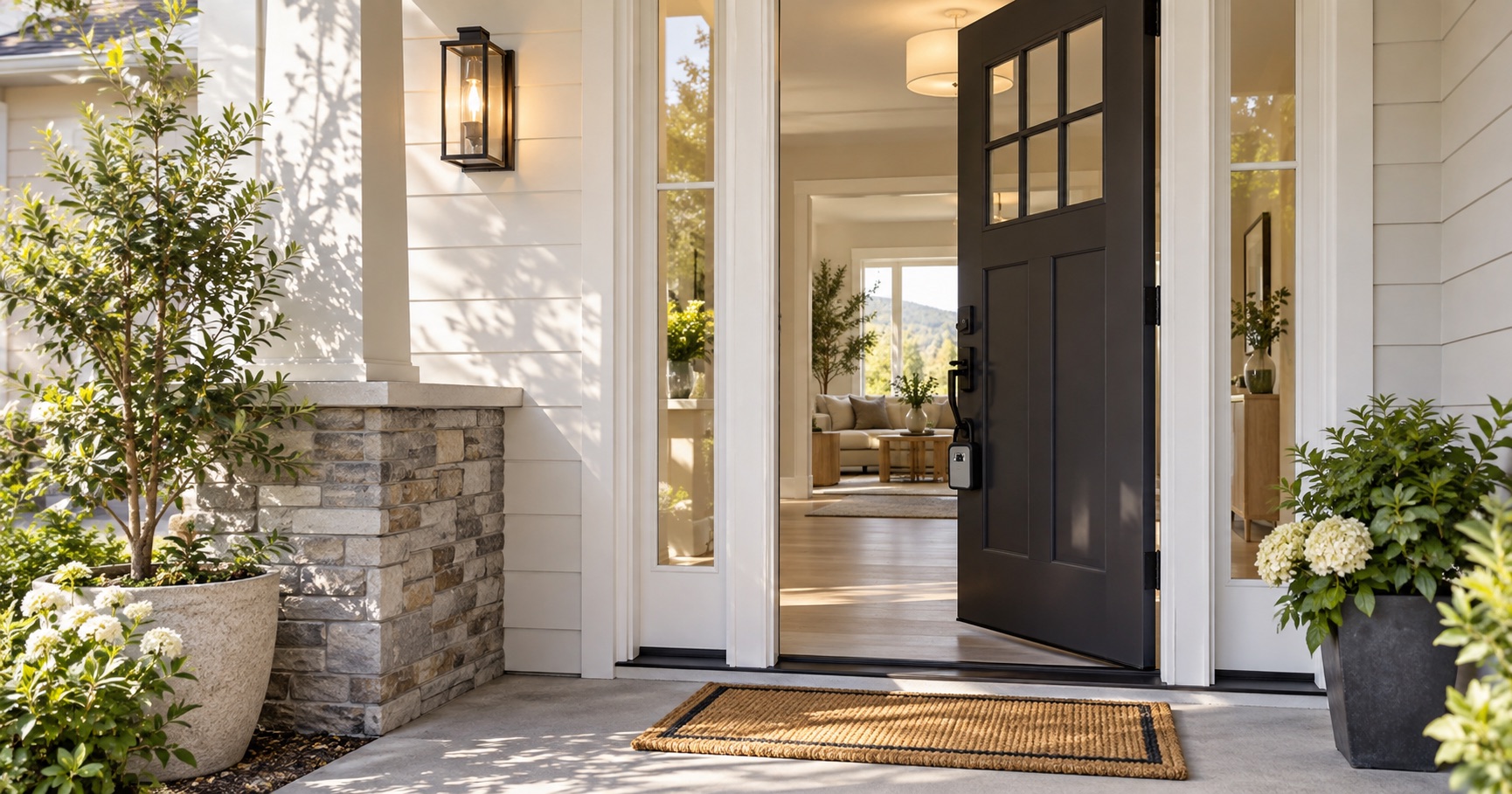
Before you list a Bay Area rental, do not just ask, "What can I rent it for?" Ask whether the home is actually ready for a tenant.
Most rental mistakes happen before the home ever hits the market. An owner decides to rent the property, takes a few photos, posts it online, and waits for inquiries. That can work in a strong rental market, but it leaves too much to chance. The better approach is to prepare the property like an asset, not just a vacant house.
Before you list a Bay Area rental, focus on four things: condition, pricing, documentation, and tenant experience.
1. Walk the home like a tenant, not like the owner
Owners get used to their own homes. Tenants do not.
A tenant notices the dripping shower, the loose towel bar, the old caulk, the fan that only works sometimes, the outlet cover that is missing, the paint touch-up that does not match, and the garage remote that has to be pressed three times.
None of those items may seem dramatic by itself. Together, they create the feeling that the property is not being maintained.
Before listing, walk every room and test the things a tenant will touch every day:
- Faucets, toilets, showers, drains, and water pressure
- Lights, switches, outlets, fans, and smoke/CO detectors
- Appliances, garage doors, remotes, locks, gates, and windows
- Caulking, grout, cabinet bases, and visible signs of moisture
- Walls, doors, trim, flooring, and common move-out damage
- Exterior lights, landscaping, irrigation, and trip hazards
The goal is not perfection. The goal is to remove obvious objections before showings begin.
2. Fix the small items before they become tenant friction
Once a tenant moves in, every repair becomes harder.
Someone has to coordinate access. The tenant may need to adjust their schedule. The repair has to be explained, documented, and followed up on. A simple fix becomes a customer-service moment.
That is why the best time to handle small repairs is before the property is occupied.
Fresh caulk, working lights, clean touch-up, repaired screens, functional locks, working appliances, and clear safety items all help the property feel cared for. That matters because a well-prepared rental usually attracts better applicants and creates a better first impression.
Good tenants notice when a home is ready.
3. Price the rental for the result you actually want
The highest possible rent is not always the best rent.
If you price too aggressively and the property sits, you lose time. If you underprice, you leave money on the table. The right price balances monthly rent, applicant quality, showing traffic, and vacancy risk.
For most owners, the real goal is not just "get the biggest number." It is:
Are you protecting your rental investment?
Michael offers a complimentary landlord audit covering rent optimization, compliance, and maintenance planning for Bay Area rental owners.
Get a Free Landlord Audit- Minimize vacancy
- Attract qualified applicants
- Avoid repeated price cuts
- Create a clean application process
- Place a tenant who is likely to stay and take care of the home
One extra week vacant can wipe out a meaningful part of the rent premium an owner was hoping to capture. Pricing should be strategic, not emotional.
If you want help deciding where your property should land, start with a landlord audit or review the broader property management options.
4. Document the condition before move-in
This is one of the most important parts of protecting a rental.
Before the tenant moves in, the property condition should be documented clearly. Photos, notes, keys, remotes, appliance condition, wall condition, flooring, landscaping, and any known quirks should be captured before possession changes hands.
That documentation protects both sides.
It gives the tenant a clean starting point, and it gives the owner a record if there is damage later. It also makes turnover easier because you are not relying on memory.
5. Decide whether you need tenant placement or full management
Not every owner needs the same level of help.
Some owners mainly need tenant placement: pricing, marketing, showings, screening, lease preparation, and move-in coordination. After that, they are comfortable self-managing.
Other owners need full management: tenant communication, repair coordination, renewals, compliance, condition checks, accounting, and turnover support.
The decision should be based on bandwidth, not pride.
If you are responsive, local, comfortable handling repairs, and have the time to manage tenant communication, tenant placement may be enough. If you are busy, out of area, dislike maintenance coordination, or want the property handled as a long-term asset, full management is usually the better structure.
Bottom line
A rental listing is not just a marketing exercise. It is the start of an operating relationship.
The more work you do before the property goes live, the fewer avoidable problems you create after move-in. Good prep helps the home show better, lease cleaner, and operate with less friction.
If you are thinking about renting out a home in the South Bay, Peninsula, or East Bay, I can help you decide what needs to happen before it hits the market.
Michael Katwan, Associate Broker
(408) 781-4184
Michael Katwan is a licensed California Broker Associate (DRE# 02168118) with Keller Williams Tri-Valley. He works with landlords across the Bay Area on tenant placement and full-service property management.
Stay Informed
Get the Monthly Bay Area Market Report
Local market data, trends, and insights delivered to your inbox once a month. No spam.
No spam, ever. Unsubscribe anytime.
Michael Katwan
Broker Associate · Keller Williams Tri-Valley · DRE# 02168118

Michael Katwan
Broker Associate · Keller Williams Tri-Valley · DRE# 02168118
Have questions about what you just read? Book a free 30-minute strategy call — no pressure, just straightforward advice tailored to your situation.
Schedule a Call